
Control the Sky, Control the Future
Feb 1, 2026

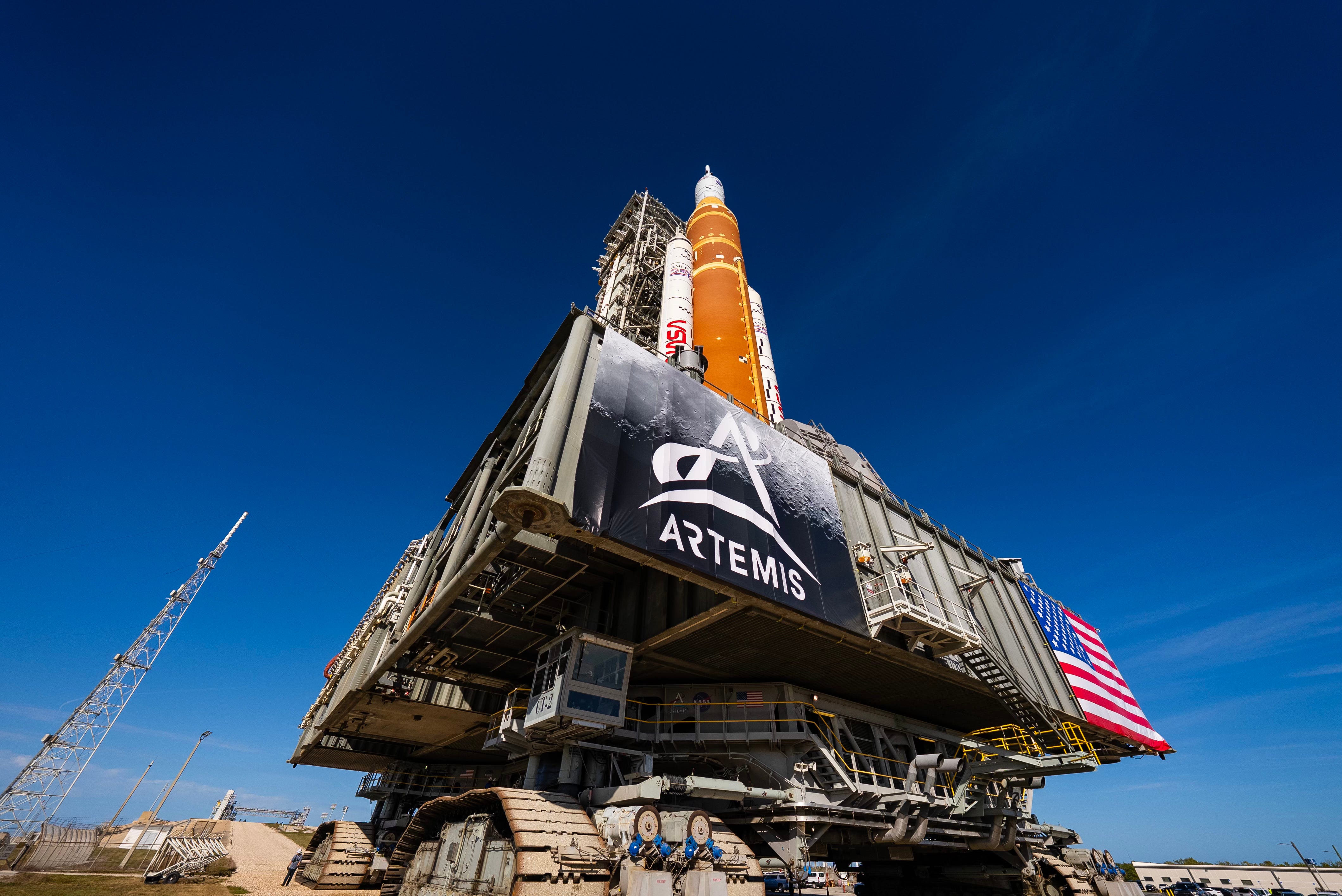
NASA’s SLS (Space Launch System) and Orion spacecraft rolling out of the Vehicle Assembly Building at NASA’s Kennedy Space Center in Florida.
Subscribe to the OSR podcast on Apple or Spotify
Welcome to the Open Space Report! Musk is merging rockets, satellites, social, and AI; NASA’s Artemis hits cold-weather delays; and Axiom is eyeing another human spaceflight. Meanwhile, China is ramping up its space tourism play; just as the University of Arizona makes history. The next frontier isn’t just digital. It’s physical.
So strap in.
On the move? Subscribe to the OSR podcast on Apple or Spotify
— What’s Buzzing —
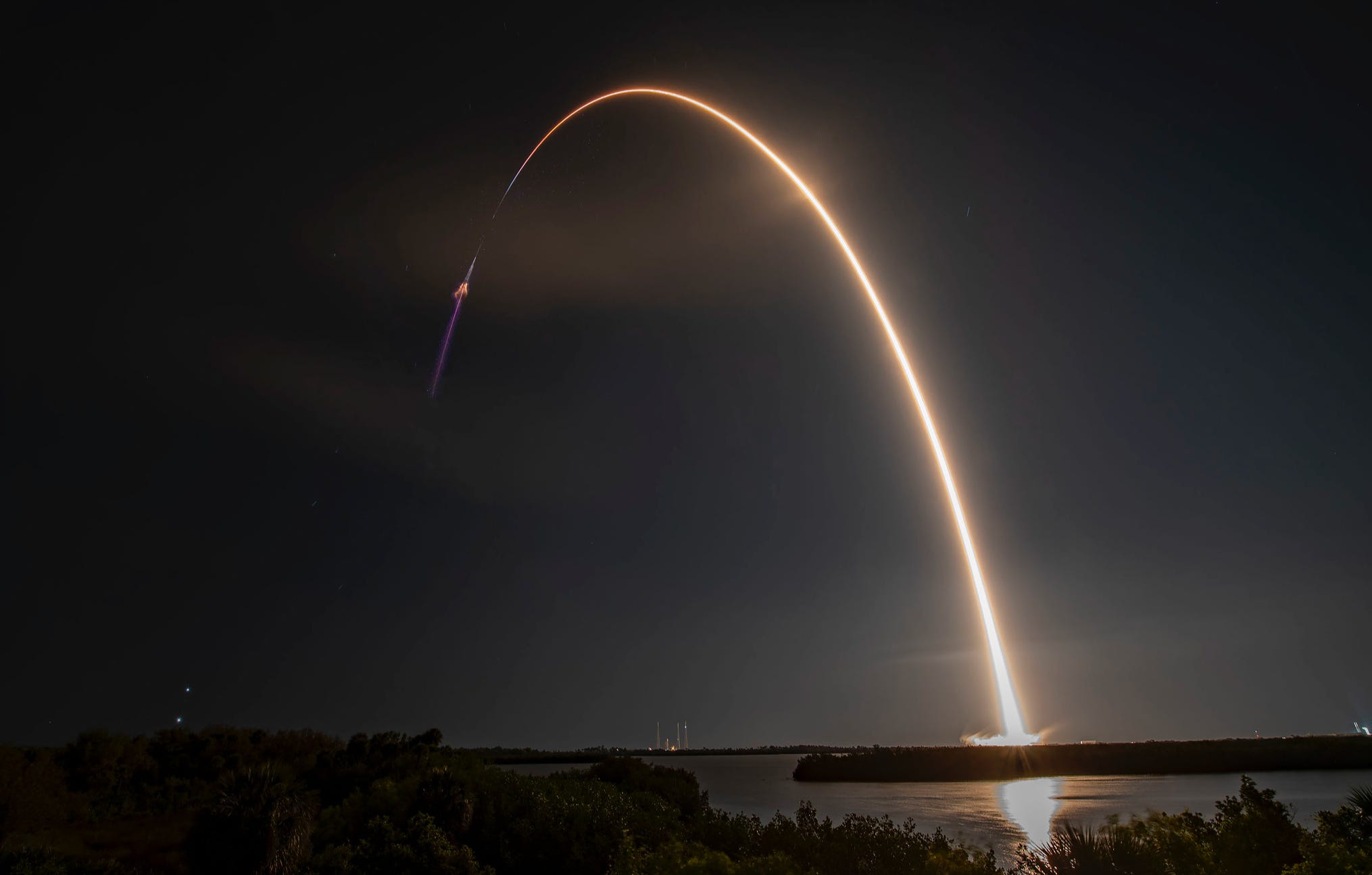
The AI Stack Is Leaving Earth
Elon Musk is moving to fuse his space, AI, and social media ambitions into a single corporate architecture, as SpaceX and xAI hold talks on a potential merger ahead of the former’s blockbuster public offering expected later this year.
If completed, the deal would create a vertically integrated company spanning launch, orbit, data distribution and artificial intelligence; a significant escalation that would accelerate SpaceX’s long-term ambition to deploy data centers in orbit. The talks, which Reuters is reporting exclusively, would involve exchanging xAI shares for SpaceX equity, according to the source.
Separately, SpaceX is also seeking FCC approval for … wait for it … an orbital data center constellation of up to ONE MILLION satellites in low Earth orbit, an order of magnitude that could provide unprecedented space-based computing and storage capacity… if, of course, it actually happens. Keep in mind, China also filed plans for two constellations totaling nearly 200,000 satellites.
The Takeaway: This isn’t about a merger, or even just expansion in the commercial and geopolitical sense. It’s about control of the full AI stack, end to end, and off-planet. Zooming out, Musk is trying to do something no other AI player can credibly attempt right now: own every layer that matters for next-gen AI.
That means …
1.) Physical infrastructure (launch + satellites via SpaceX)
2.) Global data pipes (Starlink)
3.) Proprietary, real-time human data (X)
4.) Models and inference (xAI / Grok)
5.) Eventually, compute itself (orbital data centers)
And in the even BIGGER context, this is a sign that we’re entering a phase where digital power is collapsing back into physical power.
For the last 20 years, software had this feeling of weightlessness. That era may now be ending. In fact, AI is so energy, data, and infrastructure-intensive that the winners will be those who control the ATOMS as much as BITS. That means launch, energy, cooling, spectrum, and … frankly … orbit itself.
Intentionally or not, Musk is signally that this next tech order won’t be defined solely by the best interfaces or algorithms, but rather by who owns the planetary and orbital substrate that intelligence actually runs on.
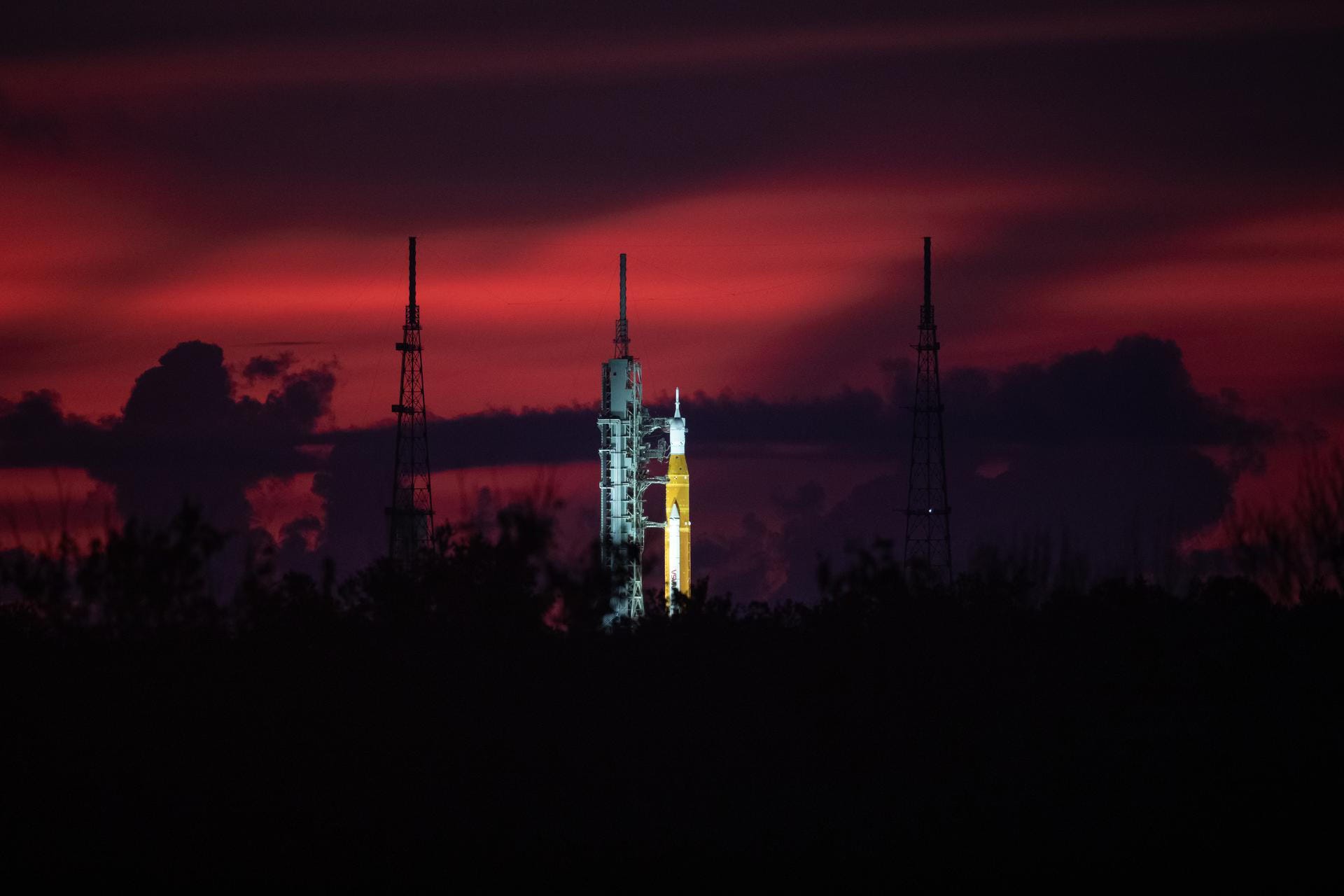
Cold Weather, Thin Margins: Artemis Faces Its First Real Human Test
NASA has postponed its next crewed mission to the moon, citing a mix of near-freezing temperatures. This first Artemis mission to carry astronauts around the moon is now scheduled for no earlier than Feb. 8, slipping two days from its original target. The delay follows a decision late Thursday to cancel a planned fueling test, as forecasts called for unusually cold conditions.
The shift sharply compresses NASA’s February launch window, leaving just three possible days to send four astronauts on a lunar flyby before the calendar forces the mission into March.
The Takeaway: This delay is about cold weather. But it’s also about how little margin for error NASA has as it restarts human missions beyond low Earth orbit. Artemis is a first-of-its-kind stack, a new super-heavy rocket, a new deep-space crew capsule, and mission operations NASA hasn’t executed since Apollo. And it’s all being flown under modern safety standards that tolerate far less uncertainty. Lingering scrutiny over Orion’s heat shield after unexpected wear on its uncrewed flight only heightens that caution. In fact, there are some who express real hesitations about the mission itself, given the state of the current hardware.
— Commercial Frontiers —

Axiom Space to Fly Fifth Private Crew to ISS for NASA
NASA has tapped Axiom Space to fly the fifth private astronaut mission to the International Space Station (ISS), continuing the agency’s effort to open low-Earth orbit to commercial crews and scientific research. The upcoming mission, Ax-5, is slated for no earlier than January 2027. Read More from Jeff Foust at Space News.
The Takeaway: This is as clear a signal as any that low-Earth orbit is transitioning from government-controlled outpost to a commercially sustainable ecosystem, with Axiom Space cementing its role as the anchor tenant. And by repeatedly winning these missions, Axiom is not just proving operational reliability; it is building the playbook for continuous, revenue-generating orbital operations. At the same time, these missions are quietly stress-testing the infrastructure, regulatory frameworks, and commercial coordination needed for a hybrid public-private orbital economy, setting the stage for Axiom Station and, eventually, a more diversified LEO market that could include orbital manufacturing, logistics, and continuous human presence. (Note: the image above is of the crew of Axiom Space's Ax-1 mission)
On the move? Subscribe to the OSR podcast on Apple or Spotify
— Lens on China —

CASC Unveils Ambitious Plans for Space Tourism and Orbital Infrastructure
China is signaling an accelerated push into commercial and strategic space sectors. The country’s main state-owned space contractor, the China Aerospace Science and Technology Corporation (CASC), this week outlined new plans to expand into space tourism, orbital digital infrastructure, resource development, and space traffic management, according to state media China Central Television (CCTV) on Jan. 29. The announcement comes amid growing international competition in space, including from U.S. commercial operators and private ventures, and as China prepares to unveil its 15th Five-Year Plan (2026–2030) during its annual political sessions in Beijing this March. Andrew Jones, as always, has a deeper write-up on Space.com, that’s very much worth reading.
The Takeaway: CASC’s plans show China is shifting from government-led space missions to a full-spectrum strategy that blends commercial ambition with strategic power, targeting space tourism, orbital computing, resource exploitation, and traffic management. Timed ahead of the 15th Five-Year Plan, the move signals that China sees space not just as science or prestige, but as a domain for infrastructure, AI-driven operations, and economic leverage, laying the groundwork to rival U.S. and private-sector dominance in orbit.
On the move? Subscribe to the OSR podcast on Apple or Spotify.
— Pure Exploration —
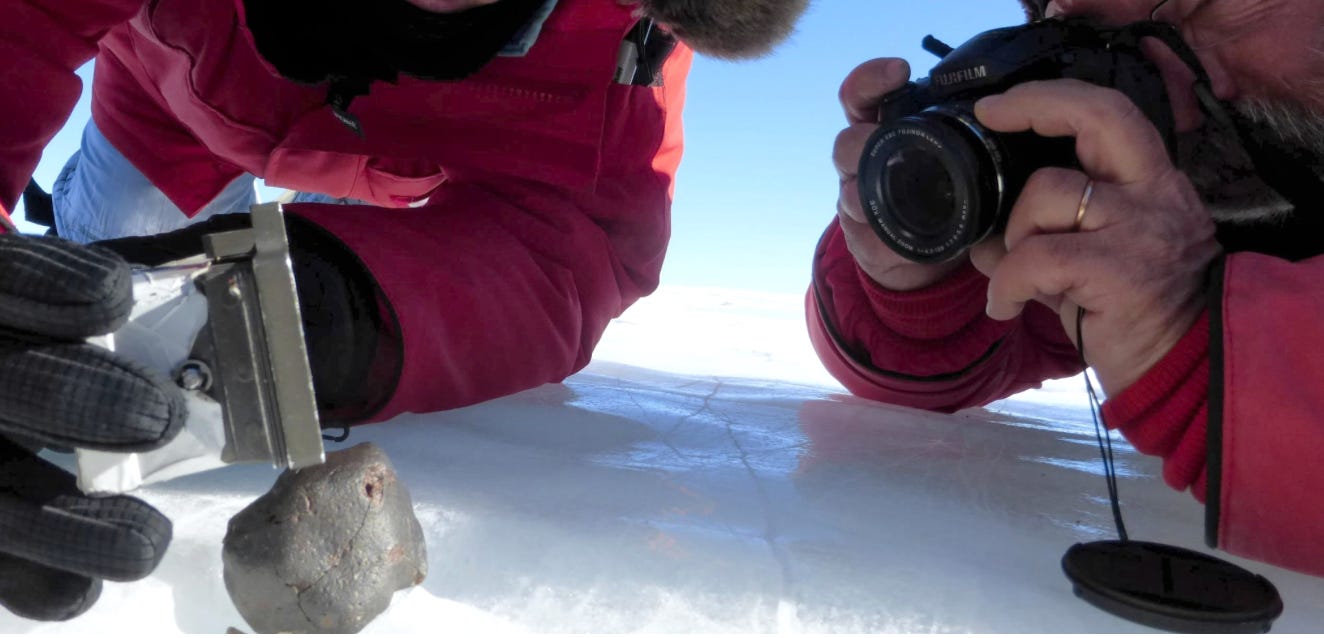
Did Meteorites Actually Give Earth its water?
For decades, scientists speculated that late-arriving, water-rich meteorites delivered most of Earth’s water. But here’s the thing: A new study challenges that idea. By analyzing Apollo lunar soil with high-precision triple oxygen isotopes, researchers traced impactor material preserved in the Moon’s stable, weatherless regolith, which acts as a billion-year archive of debris hitting the Earth-Moon system. They found that only about 1% of the lunar soil comes from carbon-rich meteorites. Even scaling that up to Earth’s size, those impacts could account for only a few percent of our oceans. In short, meteorites likely contributed some water. But they probably weren’t the main source. You can read the full study here. Or dig into Michael E. Bakich’s write-up at Astronomy Magazine, here.
On the move? Subscribe to the OSR podcast on Apple or Spotify
— Stories from the Southwest —
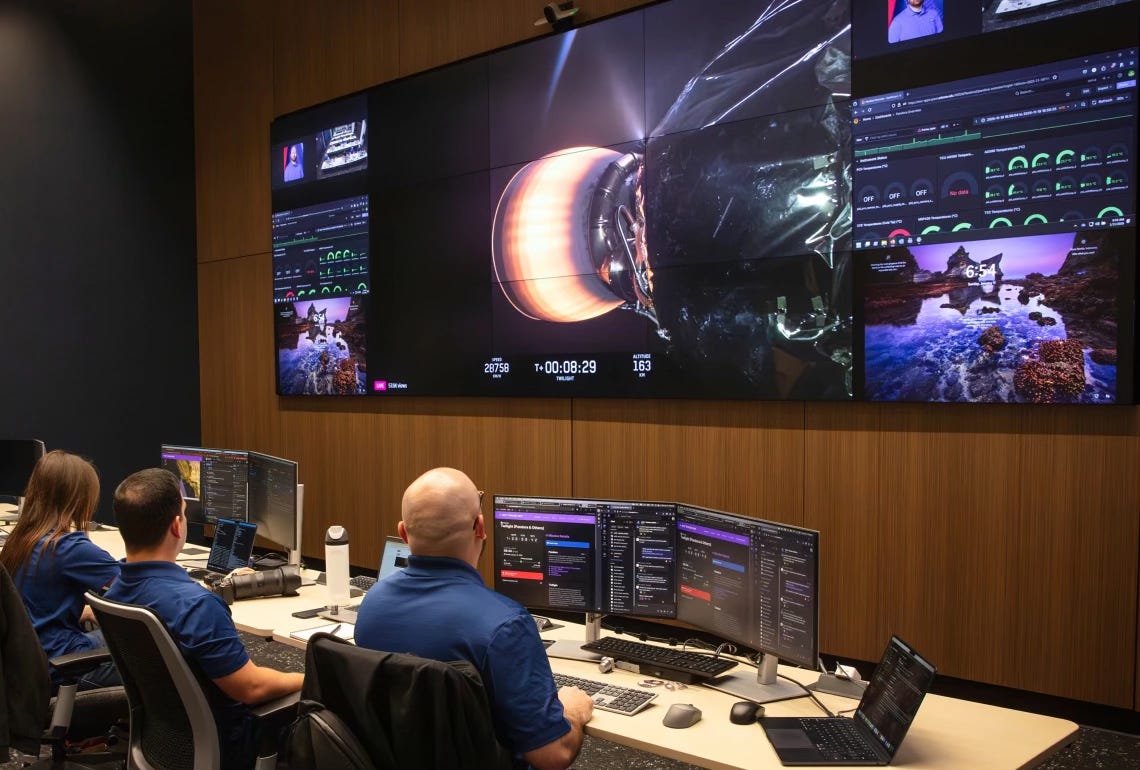
U of A Makes Space History with On-Orbit Command of Pandora
On Jan. 16, the Pandora satellite etched its name into the history books as the first NASA mission to be fully operated on-orbit from the University of Arizona’s Multi-Mission Operations Center (MMOC); a major milestone in the university’s decades-long tradition of space research and exploration.
Just five days after Pandora lifted off aboard a SpaceX Falcon 9 on Jan. 11, the MMOC team took over operations from Colorado-based Blue Canyon Technologies; a handover that underscores the University of Arizona’s long-standing collaborations on NASA missions; from the Ranger and Apollo programs of the 1960s to the OSIRIS-REx asteroid sample return mission and even the development of instruments for the James Webb Space Telescope. Today, the university ranks fourth in the world for space science according to U.S. News & World Report and fourth in NASA funding per a National Science Foundation HERD survey. It also belongs to an elite group of U.S. universities equipped to provide mission operations for high-risk NASA Class D missions like Pandora.
"We are super excited about taking over mission control for Pandora. It is something that has been many years in the making," Erika Hamden, director of the Arizona Space Institute told the university press. "It's so cool to see it finally happening, and it's exciting because Pandora is expected to help astronomers increase our understanding of exoplanets. It's such an honor to be a part of that."
Learn more about it here.
Enjoy reading the Open Space Report? Join now so you don’t miss the latest news, insights, and discoveries. Or, if you’re in a rush, subscribe to the OSR podcast.
Find it on Apple Podcasts or Spotify
But if you’re looking for an even deeper dive into the stories, science, politics and personalities driving this new competition in space—including those from both sides of Pacific—make sure to order yourself a copy of my latest book: “Open Space: From Earth to Eternity—the Global Race to Explore and Conquer the Cosmos.” Pick it up, here.

That’s this week’s briefing from space.
See you next time …