
Open Space, Full Crews, and Martian Drives

ISS is back at full crew after a rare evacuation, Axiom and China’s iSpace scale fast, Perseverance drives itself on Mars, and NASA satellites warn the Colorado River Basin is drying. Plus, my upcoming book, Open Space, was featured this week on SpaceNews … here.
Now.. let’s get into it.
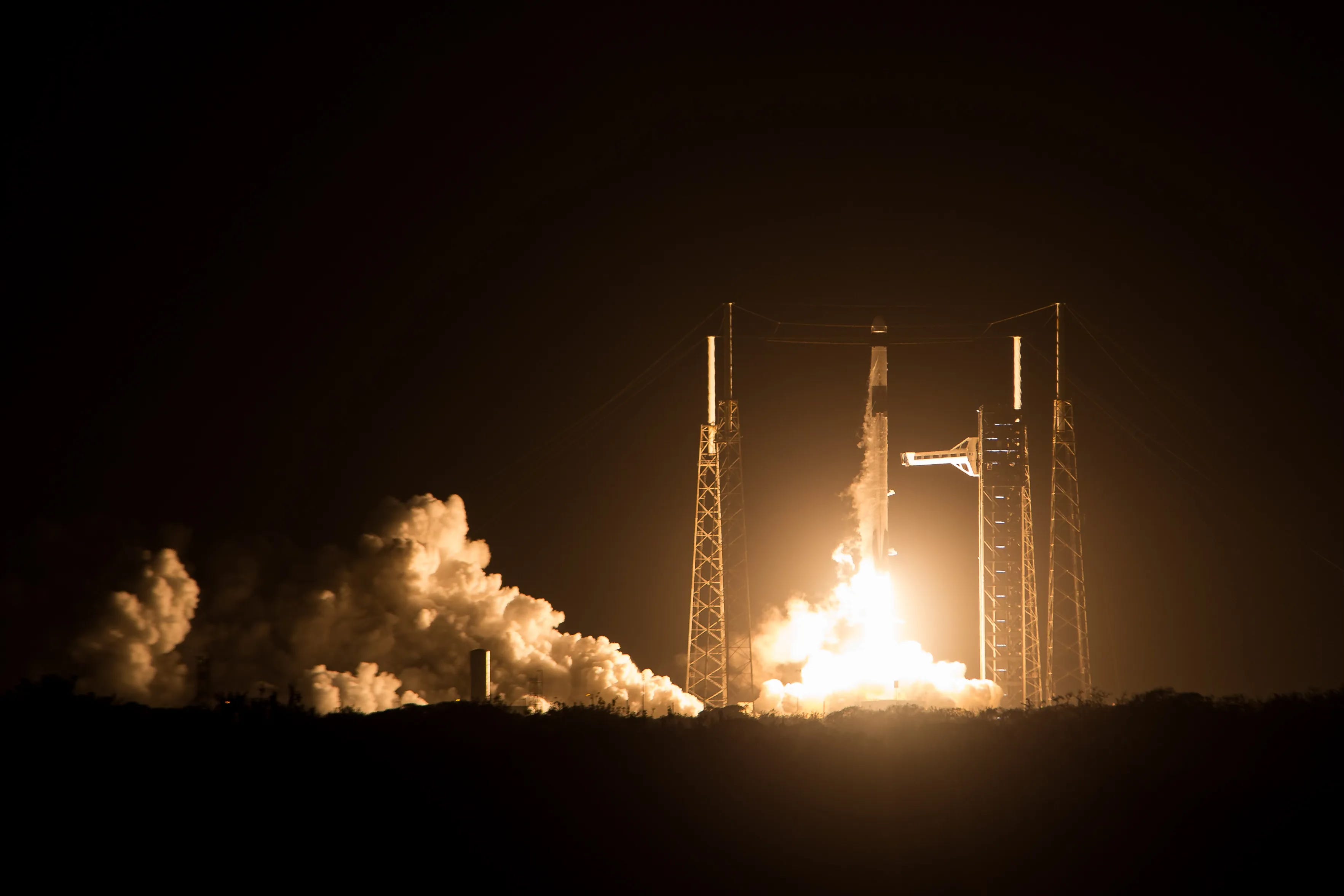
A SpaceX Falcon 9 rocket carrying the company's Dragon spacecraft is launched on NASA’s SpaceX Crew-12 mission to the International Space Station. Source: NASA
On the move? Subscribe to the OSR podcast on Apple or Spotify
— What’s Buzzing —
For a few weeks, the world’s only permanently inhabited outpost in orbit was running lean; three people holding together a $100-billion laboratory while NASA navigated its first medical evacuation of an astronaut in 65 years.
But on Saturday, a SpaceX Dragon slid into docking position, restoring the International Space Station to its full seven-member crew, having launched a day earlier atop a Falcon 9 from Cape Canaveral Space Force Station. This was a routine commercial crew rotation on paper, but one carrying unusual operational weight.
The Takeaway: In the broader context, this is indeed the culmination of a stress test for the future, and one privately built stations will need to master if they’re succeed the ISS. Reliability is not just about keeping research on schedule; but also proving that human presence beyond Earth can endure disruption without collapsing.
All of this, of course, also comes as NASA is continues to work and test the Space Launch System’s liquid hydrogen fueling system. Earliest moon launch is now March 6th.
— Commercial Frontiers —
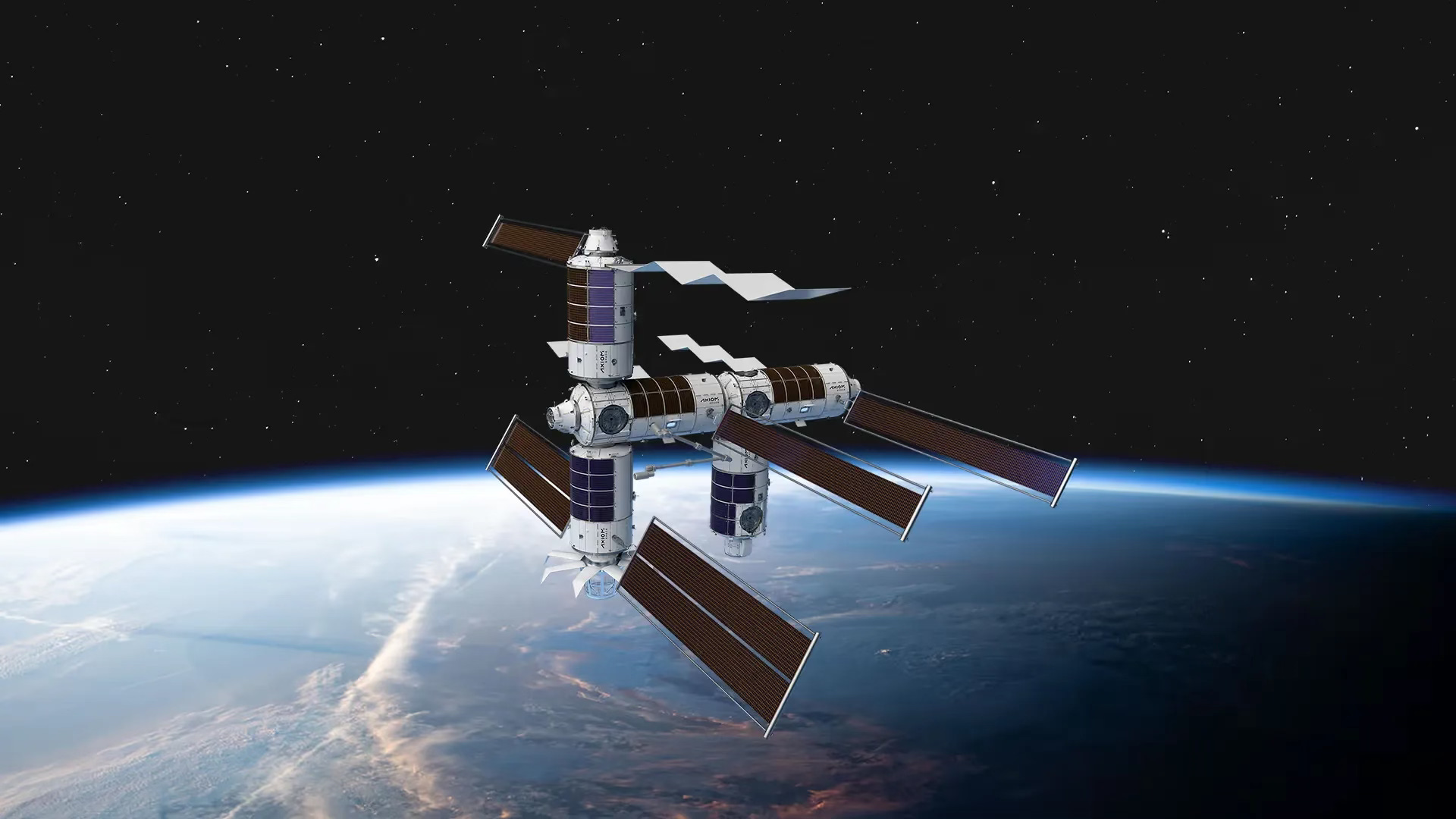
Axiom Space just closed a $350 million funding round to speed up its commercial station and next‑gen spacesuits, securing a runway for hardware that must be ready before the ISS is decommissioned and in time to support Artemis III lunar operations.
The round was co‑led by Type One Ventures and the Qatar Investment Authority, with participation from 1789 Capital, 4iG, LuminArx Capital Management, and others. Kam Ghaffarian, Axiom’s cofounder and chairman, also invested, though the size of his stake remains undisclosed.
The Takeaway: For Axiom, the timing is critical. The company recently received its fifth private crew mission to the ISS, scheduled no earlier than January, signaling NASA’s continued trust in Axiom as a commercial crew operator as the agency itself transitions toward commercially provided LEO infrastructure.
— Lens on China —
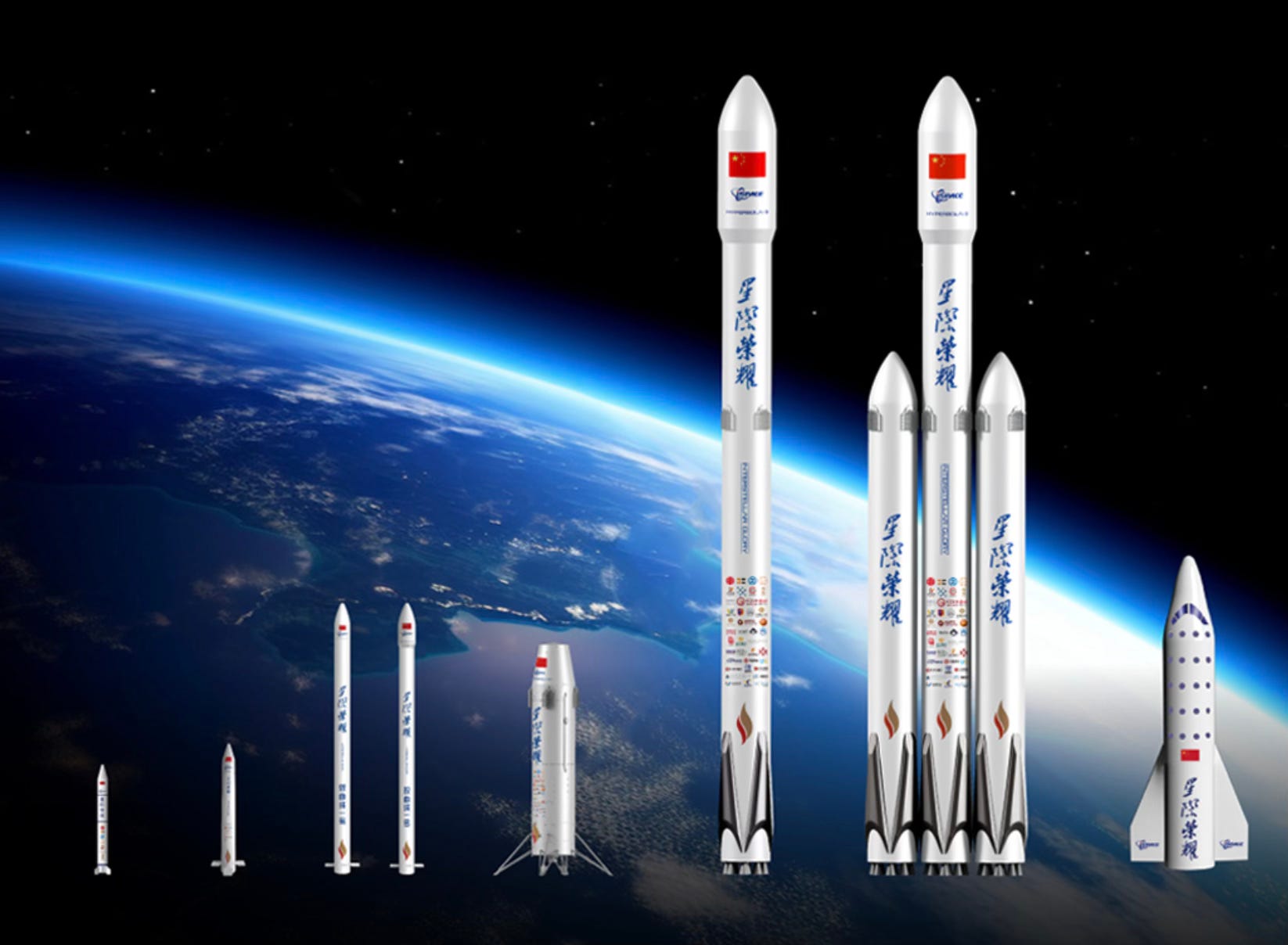
China’s commercial space sector has entered its scale phase; where capital is no longer exploratory, but strategic, and reusability is treated as industrial policy rather than technological aspiration. Against that backdrop, iSpace’s latest raise is something to talk about.
It has closed a roughly $709 million D++ round; the largest publicly disclosed funding event yet for a Chinese launch startup. And it follows a $98 million D+ round just months ago, and by far eclipses the big raises by Space Pioneer and Galactic Energy last year.
This isn’t venture capital chasing upside. It’s coordinated scale financing. And the syndicate blends government industrial funds, state-linked strategic investors, municipal and provincial capital vehicles, and private equity — a structure that mirrors Beijing’s formal designation of commercial space as a strategic emerging industry. The incomparable Andrew Jones has a deep write-up on SpaceNews.
The Takeaway: This is about alignment. Industrial policy, local governments, and market-oriented aerospace capital are now pulling in the same direction.
— Pure Exploration —
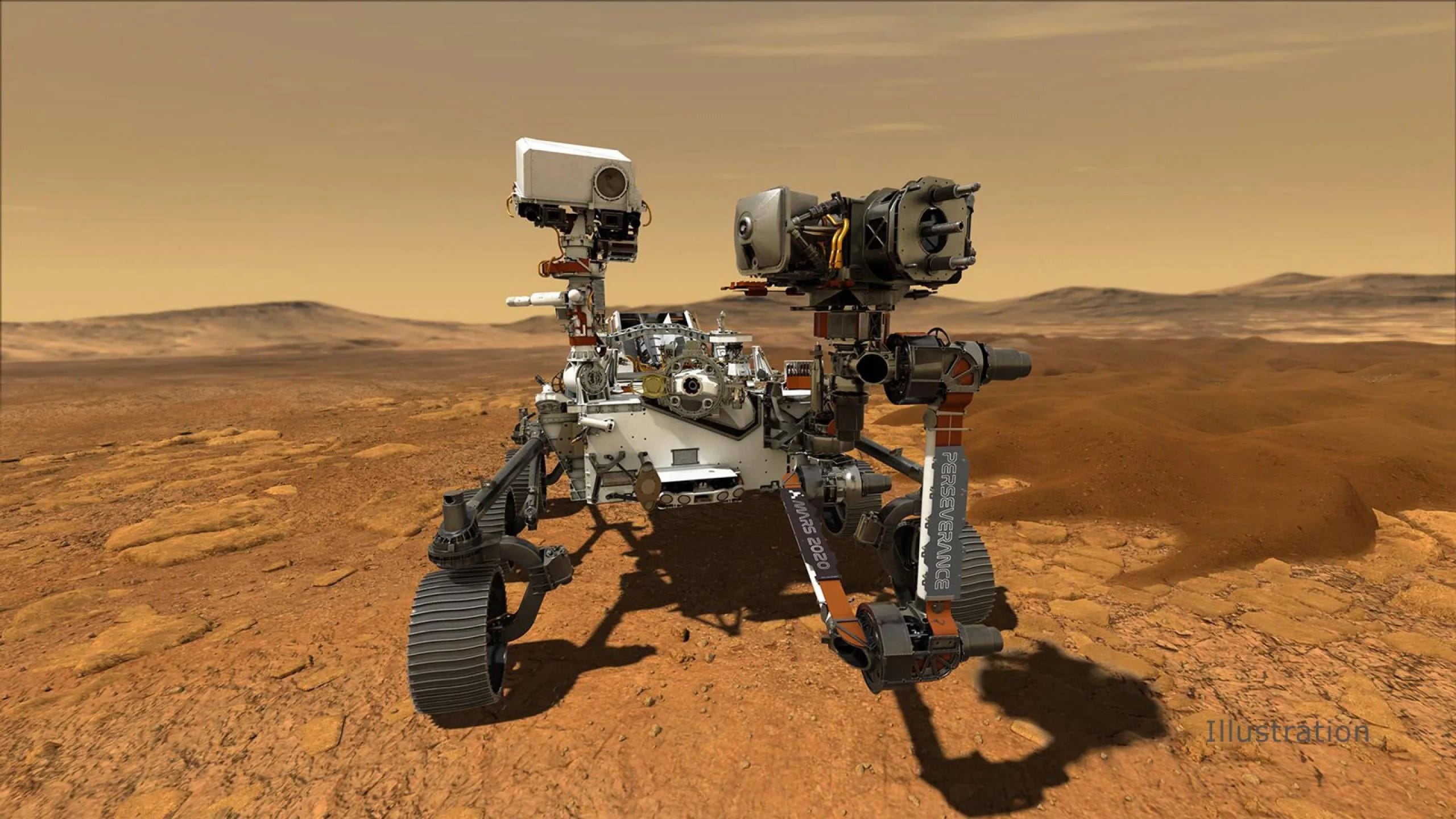
For the first time in history, a rover on another planet has navigated its own route using artificial intelligence. NASA’s six-wheeled Perseverance Mars rover relied on a vision-capable AI system to plan safe paths across the Red Planet’s rocky surface—without direct instructions from human rover operators on Earth. The milestone, executed on Dec. 8 and 10, marks a major step toward more autonomous planetary exploration, where spacecraft can make complex decisions in real time, hundreds of millions of miles from Earth.
The demonstration, led by NASA’s Jet Propulsion Laboratory in Southern California, used generative AI to create waypoints for Perseverance; a task that normally requires extensive planning by the rover team. By letting the rover evaluate terrain and select safe routes on its own, the mission team was able to test a new layer of autonomy that could expand both the efficiency and scientific potential of future Mars operations.
The Takeaway: What Perseverance just did isn’t just about driving itself, it’s a proof-of-concept for thinking differently about autonomy on other worlds. Instead of relying on human operators to micromanage every route, the rover can now interpret its own terrain data, weigh risks, and pick a path in real time, all while keeping mission goals in mind. That might sound simple, but for Mars—or frankly anywhere far from Earth where communications lag and terrain is unpredictable—it’s a huge step. Beyond Mars, it’s a first taste of how we might coordinate multiple autonomous explorers, collect samples more efficiently, or even plan missions on icy moons or other extreme environments. Essentially, Perseverance is showing us that autonomy can move from reacting to obstacles to actually making strategic, mission-level decisions on the fly.
Still, as impressive as it is, this is still early-stage autonomy. The AI’s decisions were closely monitored, carefully bounded, and tested over just a few drives. True “hands-off” exploration, where the system makes high-stakes choices over extended periods without human oversight, remains a frontier.
— Stories from the Southwest —

For more than two decades, NASA satellites have been quietly weighing the planet, tracking subtle changes in Earth’s gravitational pull to reveal a hidden crisis: the depletion of groundwater in the Colorado River Basin, a lifeline for some 40 million people across the western United States. In an analysis last year of these satellite measurements, researchers at Arizona State University found that underground aquifers feeding the basin have been losing water at an alarming and accelerating rate.
The research relied on data from NASA’s GRACE (Gravity Recovery and Climate Experiment) and GRACE-FO (GRACE Follow-On) missions, which detect minute changes in Earth’s gravity caused by shifting water masses. These satellite observations were combined with land surface models, including NASA’s North American Land Data Assimilation System, and on-the-ground precipitation measurements to estimate the amount of groundwater lost. Read more on NASA.
Enjoy reading the Open Space Report? Join now so you don’t miss the latest news, insights, and discoveries. Or, if you’re in a rush, subscribe to the OSR podcast.
Find it on Apple Podcasts or Spotify
But if you’re looking for an even deeper dive into the stories, science, politics and personalities driving this new competition in space—including those from both sides of Pacific—make sure to order yourself a copy of my latest book: “Open Space: From Earth to Eternity—the Global Race to Explore and Conquer the Cosmos.” Pick it up, here.

That’s this week’s briefing from space.
See you next time …
This Substack is reader-supported. To receive new posts and support my work, consider becoming a free or paid subscriber.
This Substack is reader-supported. To receive new posts and support my work, consider becoming a free or paid subscriber.