
The War Above the War
March 15, 2026

Iran Strikes Reveal How Military, Commercial, and Orbital Domains Are Converging
One of the more revealing aspects of the opening phase of Operation Epic Fury isn’t what’s happening on the ground … it’s what’s happening above it.
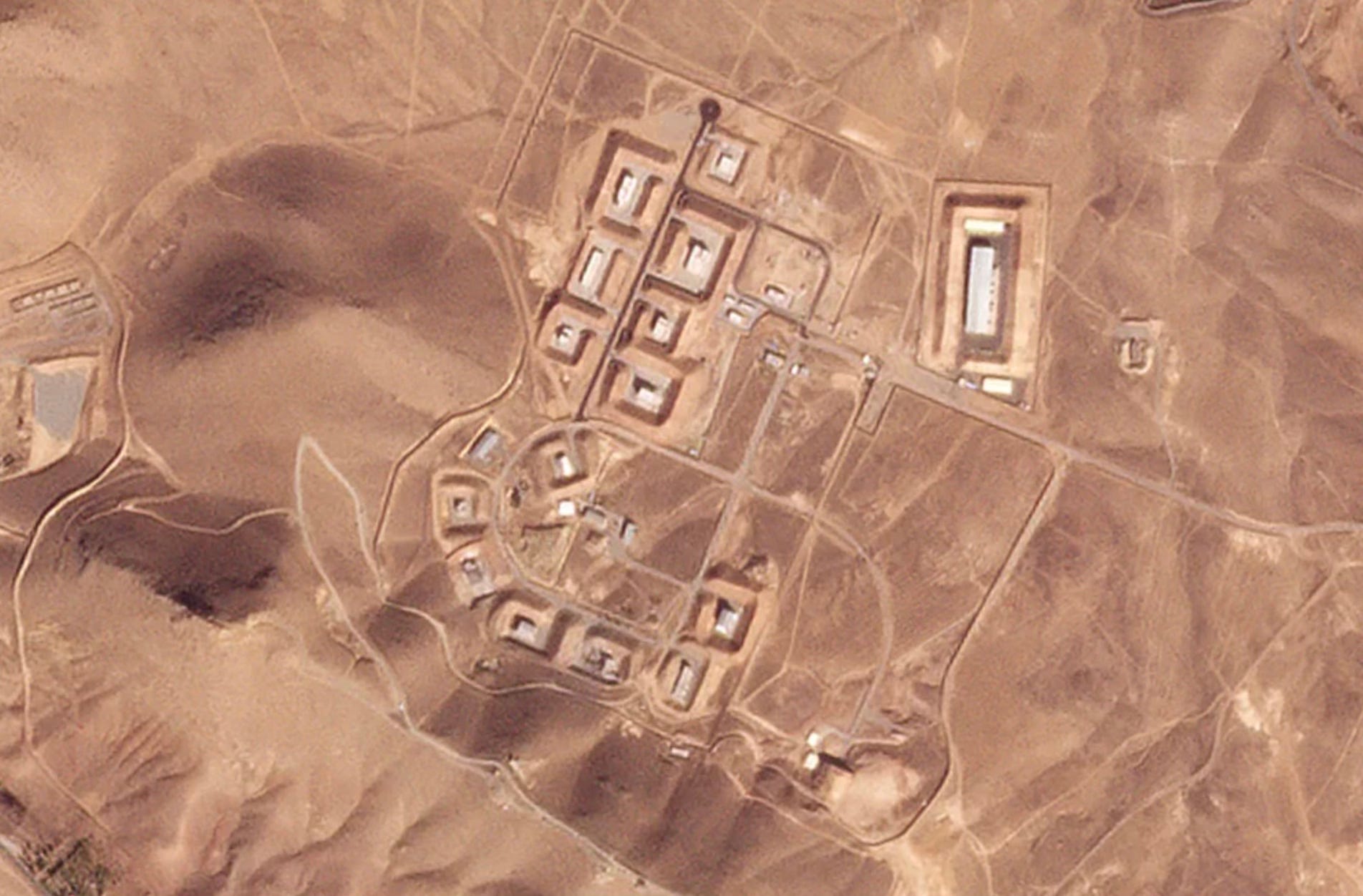
U.S. and Israeli strikes have hit an array of Iranian targets, including facilities linked to Tehran’s space and satellite programs … with U.S. officials saying they’ve even targeted Iran’s “equivalent of Space Command.” In fact, senior U.S. commanders say among the first movers in the conflict were U.S. Cyber Command and America’s own Space Command, which launched non-kinetic operations aimed at disrupting Iran’s ability to communicate, navigate, and see the battlefield.
It’s a familiar toolkit of modern space warfare:
satellite communications jamming
GPS spoofing
and cyber operations designed to break the digital chain linking sensors, satellites, and missile forces.
But by most counts, of course, Iran’s space capabilities were relatively modest: a handful of satellites and limited counter-space tools, largely focused on jamming or spoofing signals rather than physically destroying spacecraft. The more consequential concern was Iran’s missile portfolio, including hypersonic claims around the Fattah series and its array of ballistic systems.
Seen through that lens, strikes against what’s described as Iran’s “space command” appear less about neutralizing any meaningful orbital threat and more about disrupting the communications, tracking, and coordination networks that underpin those more terrestrial operations. In other words, the space label may obscure a more Earthly objective: degrading the infrastructure that connects surveillance, targeting, and launch capabilities.
That said, what’s happening above the clouds … or perhaps more accurately … who’s operating out there … is also worth noting.
In the opening hours of the conflict, some of the first confirmation of strikes came not from governments but from commercial satellite imagery. At the same time, those same firms have begun delaying image releases to avoid aiding real-time battle damage assessments.
This is a tension that’s becoming harder to ignore.
The same commercial entities that increasingly power global logistics are embedded in military operations … which translates into a battlefield where armies, private companies, and civilian infrastructure are all increasingly intertwined, and to some extent autonomous; and where the rules of war are also still catching up.
— What’s Buzzing —
Helium Fix Clears Artemis II for April Launch
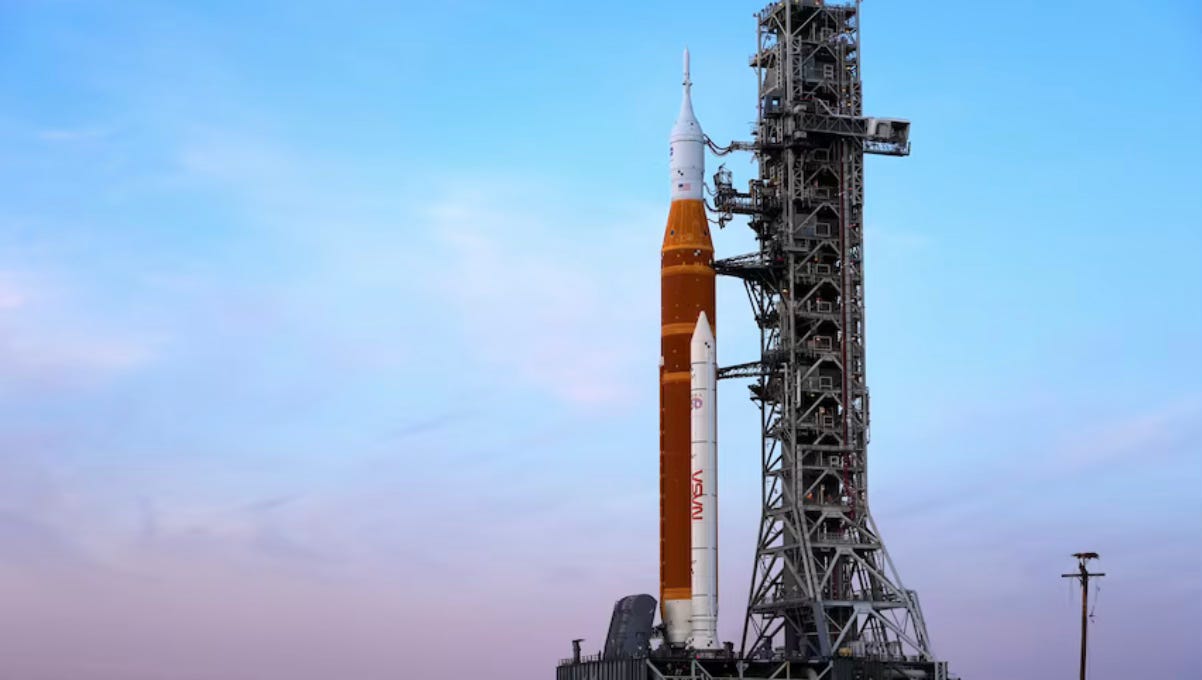
Looks like NASA is gearing up to launch Artemis II mission as early as April 1 … (yes, April Fools Day …. also the same day that Singapore’s new space agency debuts), fixing a pesky helium line problem that forced the rocket off the pad earlier this year.
That helium hiccup came from a loose seal in a quick-disconnect line. Engineers removed it, reinforced the hardware, and tested. Other checks are wrapping up inside the Vehicle Assembly Building, including battery replacements and retesting the flight termination system.
NASA won’t do another wet dress rehearsal; the seals on the liquid hydrogen and oxygen lines held up during recent tests. This will be the first crewed mission beyond low Earth orbit since Apollo 17 in 1972, so there’s naturally some risk. But the plan is to roll the Space Launch System and Orion spacecraft back to Launch Complex 39B next week. There are daily opportunities through April 6, but realistically, NASA expects about four good chances to actually launch.
The incomparable Jeff Foust has a deeper dive on SpaceNews, here.
The Takeaway: Artemis II is back on track for an April 1 launch, with SLS/Orion hardware fixed; a key step for the Artemis program, but questions linger over the program’s overall approach and whether Jared Isaacman’s recent adjustments to timelines and risk posture truly address the deeper structural challenges.

Inside Axiom Space: My chat with CEO and President Jonathan Cirtain on his company’s Space Station, Space Suits and A LOT more.
I had a great conversation this week with Jonathan Cirtain, CEO and President of Axiom Space. Remember, it was just last month that Axiom raised $350 million to further development of a coming commercial space station and new spacesuits.
Have a listen here.
— Commercial Frontiers —
The Cool of Space
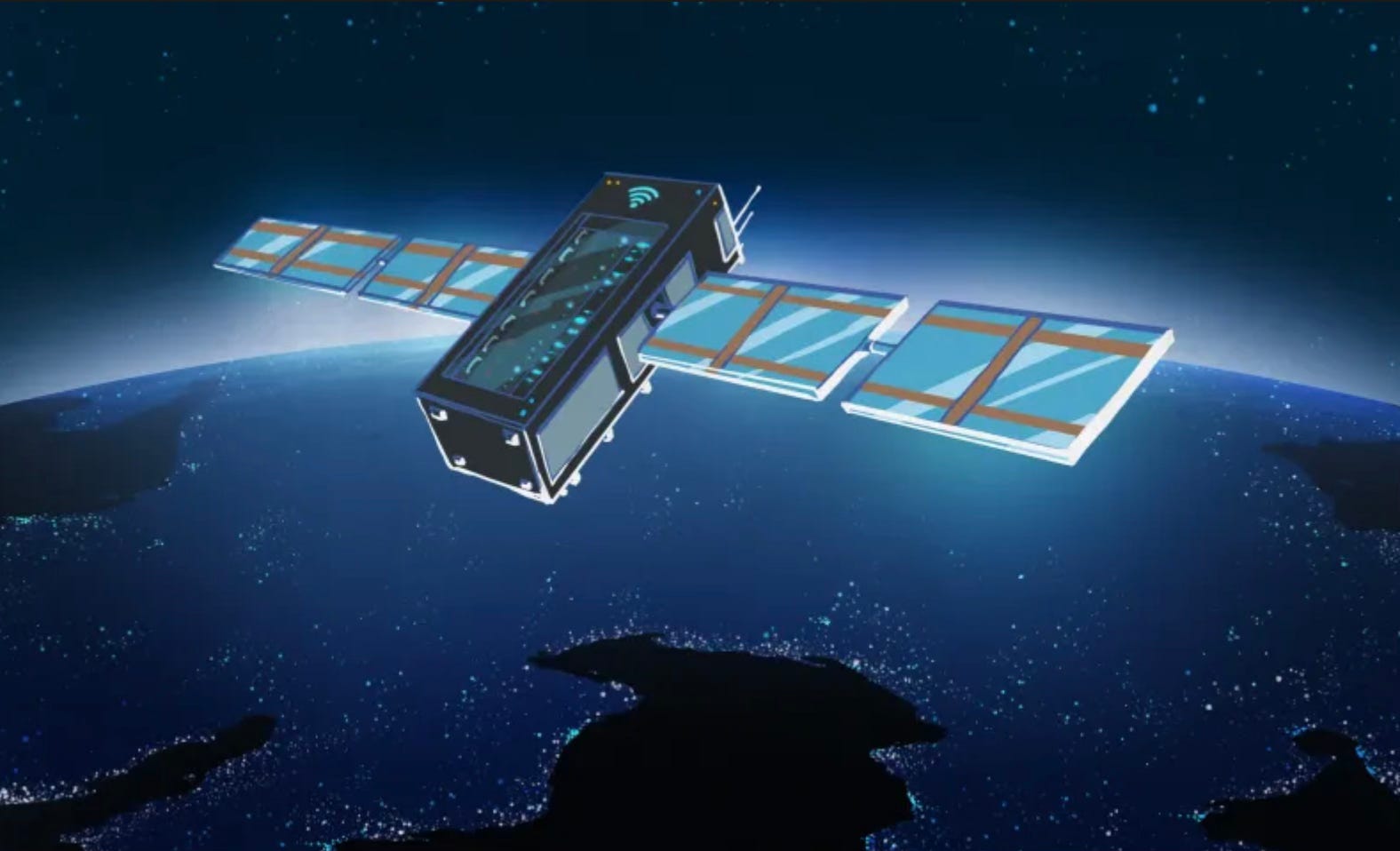
As companies race to put high-powered chips into orbit, keeping them cool is emerging as a critical challenge. Recently, a Pasadena-based company, Sophia Space, recently raised $10 million from investors including Alpha Funds, KDDI Green Partners Fund, and Unlock Venture Partners to tackle this problem. Tim Fernholz at TechCrunch has more on this. Also, full disclosure, I consult for Sophia Space. Usually, I don’t mention companies for which I consult in this newsletter. But this month proved an exception, given the growing emphasis and news surrounding orbital data centers.
— Lens on China —
China Eyes Routine Lunar Supply Runs with New Methane-Powered Lander
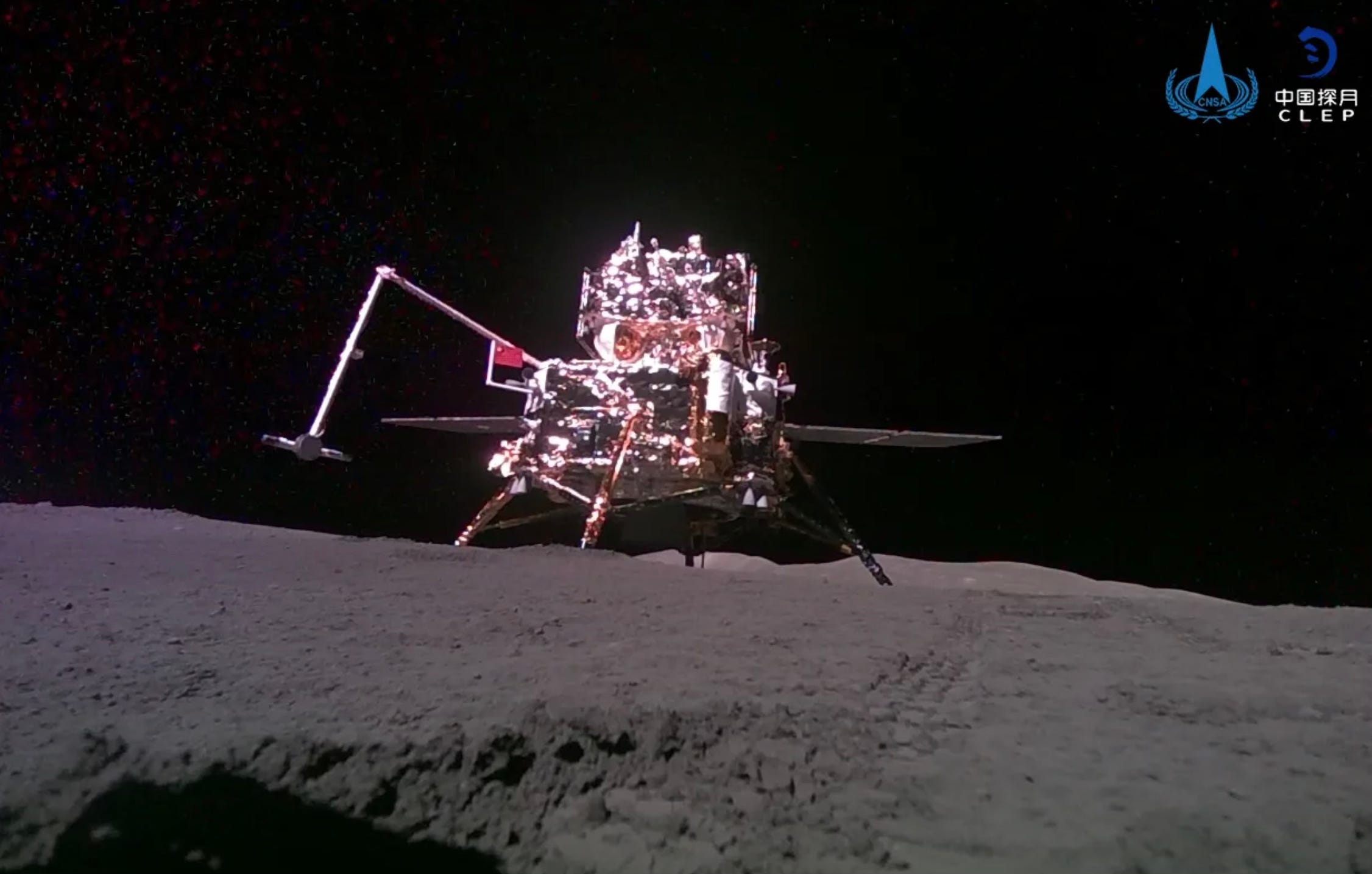
China’s gearing up for a lunar base, and its state-backed space shop just teased a “budget” cargo lander to haul stuff to the Moon.
At CACE 2026, the Shanghai Academy of Spaceflight Technology (SAST) rolled out a cylindrical lander concept, promising a cheaper alternative to its heavyweight flagship missions. Clips shared online show a demo vehicle taking off, hovering, dodging hazards, and landing—using methane-oxygen engines instead of those older hypergolic fuels.
The plan?
A family of landers carrying anywhere from 120 kg to 5 tons of cargo—science gear, rovers, base infrastructure—you name it. China’s clearly thinking beyond one-off missions, aiming for a regular lunar delivery service.
The ever-on-it Andrew Jones has a fuller write-up, here.
The Takeaway: Unlike one-off, high-profile missions that emphasize national prestige, this “budget” lander family is designed for regular cargo delivery. In practical terms, it’s about laying the logistics foundation for a permanent or semi-permanent lunar presence: delivering science instruments, rovers, infrastructure, and supplies on a predictable cadence.
Strategically, in the context of the new space race, this is calculated. The Moon is no longer just a scientific or symbolic prize; it’s becoming a theater of long-term infrastructure and supply-chain control. Routine cargo capability could give China a first-mover advantage in lunar resource exploitation, orbital and surface logistics, and partnerships with commercial actors that might emerge around the Moon. Meanwhile, the U.S., Europe, and commercial players like SpaceX and Blue Origin are still debating architectures for sustained operations, meaning China could define the operational baseline for lunar supply before competitors fully mobilize.
The big question is how fast China can move from demos to reliable, high-frequency cargo runs? Engineering hurdles, cost management, and integration with broader lunar base plans will determine whether this is a true paradigm shift or a flashy concept with limited near-term impact. (Keep in mind … rocket reusability still remains problem for Beijing. But it won’t forever)
— Pure Exploration —
When Science Feels Like Magic
Usually, I scour the headlines … chat with commercial leaders, policy makers, and scientists … and try to come up with my own unique take on what’s happening in space, particularly this section — which is supposed to reinforce that sense of wonder that drew many of us into writing, working, and exploring the cosmos. But this week, David Kring has such a delightful write-up, I’d be remiss if I didn’t spotlight it directly.
Here’s the opening bits of his article on Astronomy.com.
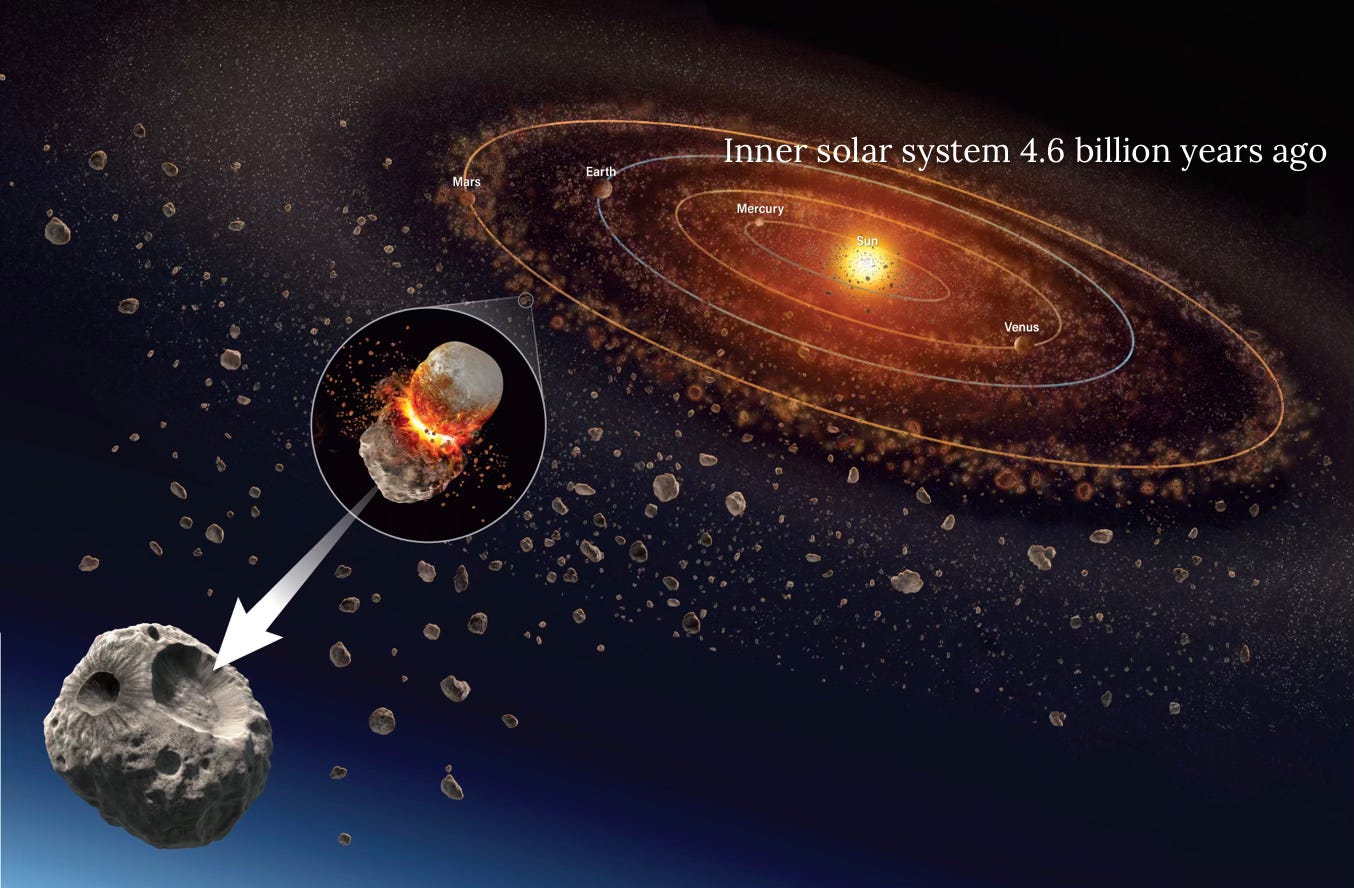
“Although we may be loath to admit it, there sometimes appears to be a little magic in science. By magic, I refer to an overwhelming sense of wonder that accompanies surprising outcomes. Events over time — perhaps billions of years — can be folded together to produce a fascinating story.
This is one of those stories. It begins in the early solar system, when violent impacts shaped a small world — and ends with those same forces leaving their mark on Earth, in ways that would astonish both modern-day scientists and the Indigenous peoples who witnessed stones falling from the sky.”
Read more here.
— Stories from the Southwest —
From the Basement to Space
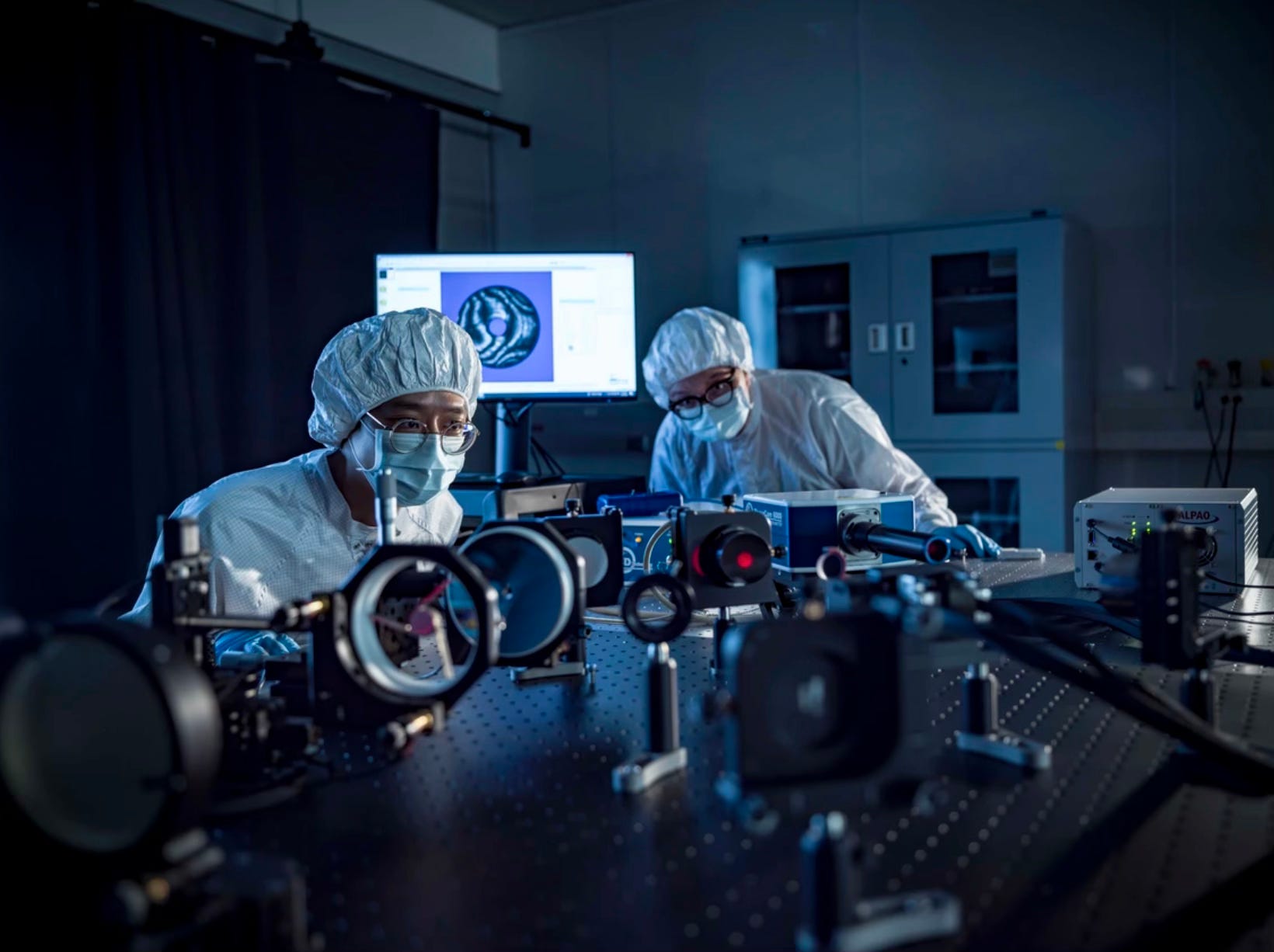
Some recent news out of Tucson: In a basement lab at Steward Observatory, University of Arizona researchers are testing mirrors and sensors inside a vacuum chamber under space-like conditions. The instruments, designed to block starlight and reveal planets billions of times dimmer than their host stars, will fly aboard Lazuli, a three-meter space telescope. All of this is part the Eric and Wendy Schmidt Observatory System with the goal to accelerate scientific discovery by combining rapid development cycles with open data, shared tools, and expanded access to both ground- and space-based observatories.
"We believe major discoveries happen when new capabilities are placed in the hands of creative scientists," said Arpita Roy, who leads the Astrophysics Center at Schmidt Sciences. "Our goal is to shorten the distance between technological possibility and scientific impact – and to create an ecosystem where ambitious ideas can move quickly from concept to collecting photons."
Read more about it on the university site.
Enjoy reading the Open Space Report? Join now so you don’t miss the latest news, insights, and discoveries.
But if you’re looking for an even deeper dive into the stories, science, politics and personalities driving this new competition in space—including those from both sides of Pacific—make sure to order yourself a copy of my latest book: “Open Space: From Earth to Eternity—the Global Race to Explore and Conquer the Cosmos.” Pick it up, here.

That’s this week’s briefing from space.
See you next time …
This Substack is reader-supported. To receive new posts and support my work, consider becoming a free or paid subscriber.
This Substack is reader-supported. To receive new posts and support my work, consider becoming a free or paid subscriber.
Great take on the Iran situation. In war, the high ground is always critical and the military leaders all over the world are recognizing that space is the ultimate high ground. The combination of military, industry, and infrastructure can be a double-edged sword, though.